
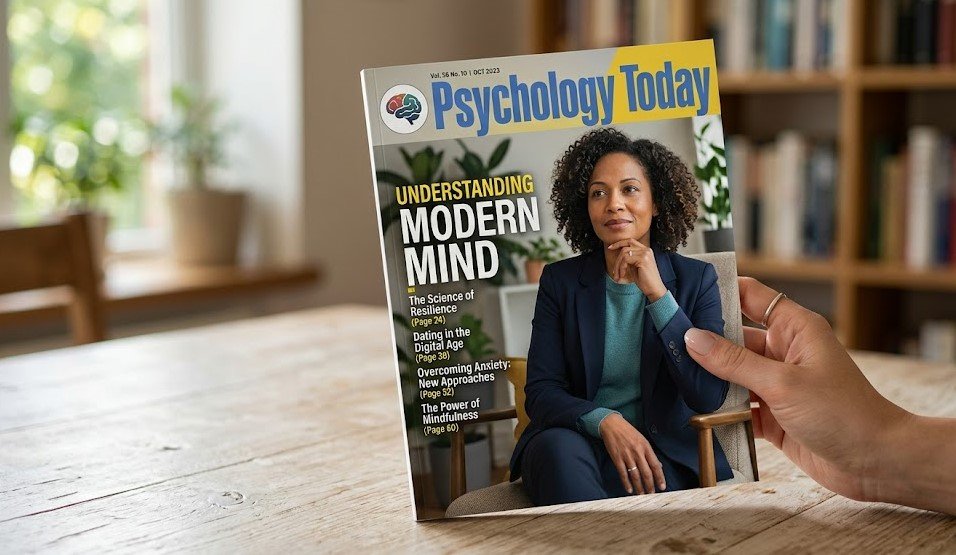
In today’s fast-paced world, psychology today has become an essential part of understanding how people think, feel, and behave in everyday life. It is no longer limited to academic studies or clinical settings; instead, it plays a practical role in shaping how individuals manage stress, build relationships, and make decisions. With rising awareness of mental health, more people are turning toward psychological insights to improve emotional well-being and personal growth. Whether it is anxiety caused by work pressure, emotional struggles in relationships, or challenges with self-esteem, psychology offers real solutions based on human behavior and scientific research. It helps individuals recognize patterns in their thoughts and actions, making it easier to develop healthier habits and coping strategies. In modern society, where digital overload and social expectations often create mental strain, psychology serves as a guide for balance and self-understanding, making it more relevant than ever before.
The Evolution of Modern Psychology
The field of psychology has developed significantly over time, evolving from early philosophical questions about the mind into a structured scientific discipline that studies human behavior in a systematic way. Today, psychology today reflects a blend of historical theories and modern scientific research that helps explain how humans think, learn, and interact with the world. Early psychologists focused on basic ideas like consciousness and behavior, while modern psychology now includes diverse areas such as cognitive science, social behavior, and clinical mental health treatment. Over the decades, major thinkers and researchers helped shape approaches like psychoanalysis, behaviorism, and humanistic psychology, each contributing unique perspectives on the human mind. In the present era, psychological research is more data-driven, using advanced tools like brain imaging and behavioral experiments to understand complex mental processes. This evolution has made psychology more accurate, practical, and applicable to real-life issues, helping individuals and professionals better address emotional and behavioral challenges.
Mental Health Awareness and the Reduction of Stigma
In recent years, psychology today has played a major role in increasing awareness about mental health and reducing the stigma that once surrounded it. People are now more open to discussing issues such as depression, anxiety, stress, and trauma without fear of judgment. This cultural shift has encouraged individuals to seek help earlier, which often leads to better outcomes in treatment and recovery. Schools, workplaces, and social media platforms have also contributed to spreading awareness by promoting conversations around emotional well-being and self-care. As a result, mental health is increasingly seen as just as important as physical health, rather than something to hide or ignore.
Despite this progress, stigma has not completely disappeared, especially in traditional or less-informed communities where mental health issues may still be misunderstood. However, ongoing education and public campaigns continue to challenge these outdated beliefs by emphasizing that psychological conditions are medical concerns, not personal weaknesses. In psychology today, professionals highlight that seeking therapy is a sign of strength and self-awareness rather than failure. This changing mindset is helping more people access the support they need, improving overall mental health outcomes and creating a more compassionate society where emotional struggles are treated with understanding rather than judgment.
Major Types of Therapy and Psychological Approaches
In psychology today, therapy is no longer seen as a single method but rather a wide range of approaches designed to address different mental health needs. One of the most widely used methods is Cognitive Behavioral Therapy (CBT), which focuses on identifying and changing negative thought patterns that influence emotions and behavior. This approach is highly effective for conditions such as anxiety, depression, and stress-related disorders because it teaches individuals practical coping skills they can apply in everyday life. Another important approach is psychoanalytic therapy, which explores unconscious thoughts and past experiences to understand current emotional struggles. These different methods show that psychology is not one-size-fits-all, but rather a flexible system tailored to individual needs.
Alongside these traditional therapies, humanistic therapy has gained popularity in psychology today, focusing on personal growth, self-acceptance, and finding meaning in life. This approach emphasizes empathy, self-awareness, and the belief that people have the ability to reach their full potential. In addition, group therapy and family therapy are widely used to improve communication and resolve conflicts within relationships. Modern therapy also includes newer approaches like mindfulness-based therapy, which helps individuals stay present and manage stress more effectively. Together, these psychological approaches create a comprehensive system that supports emotional healing, personal development, and long-term mental well-being.
Human Behavior Insights: Why We Think and Act the Way We Do
In psychology today, understanding human behavior is one of the most fascinating and important areas of study because it explains why people make certain decisions, react emotionally, and develop habits over time. Human behavior is influenced by a combination of biological factors, personal experiences, social environment, and cultural background. For example, two people may respond very differently to the same situation because their past experiences have shaped how they interpret stress or reward. Psychology helps break down these patterns by studying concepts such as motivation, conditioning, personality traits, and emotional triggers, allowing us to better understand both ourselves and others in everyday life.
Another key aspect of behavioral psychology in psychology today is the study of decision-making and cognitive biases. People often believe they are fully rational, but research shows that emotions, habits, and unconscious biases strongly influence choices. For instance, confirmation bias leads individuals to favor information that supports their existing beliefs, while emotional reasoning can cause decisions based on feelings rather than logic. Social influences also play a powerful role, as individuals tend to conform to group behavior even when it contradicts their personal judgment. By studying these patterns, psychology provides valuable insights into improving communication, building healthier relationships, and making more thoughtful life decisions.
The Role of Neuroscience in Understanding the Mind
In psychology today, neuroscience has become one of the most powerful tools for understanding how the human mind works. By studying the structure and activity of the brain, researchers can now connect mental processes such as thinking, memory, emotions, and decision-making to specific regions and neural pathways. This scientific approach has helped psychology move beyond theory into measurable evidence, allowing experts to better understand conditions like depression, schizophrenia, and anxiety disorders. Brain imaging technologies, such as MRI and PET scans, have made it possible to observe how different parts of the brain respond to stimuli, giving deeper insight into how behavior is formed and regulated. This has transformed mental health treatment by making diagnoses more accurate and therapies more targeted.
In addition to clinical applications, neuroscience in psychology today also explains everyday experiences like learning, habit formation, and emotional reactions. For example, the brain’s reward system plays a key role in motivation and addiction, while the prefrontal cortex is responsible for planning and self-control. Understanding these mechanisms helps individuals become more aware of their behavior patterns and how to change them effectively. Neuroscience also supports psychological therapies by showing how practices like mindfulness, meditation, and cognitive training can physically reshape the brain through neuroplasticity. This connection between brain science and behavior has made psychology more grounded, practical, and scientifically reliable, bridging the gap between mental experiences and biological processes.
Self-Help Strategies for Everyday Mental Wellness
In psychology today, self-help strategies have become an essential part of maintaining mental wellness, especially as people look for practical ways to manage stress, anxiety, and emotional imbalance in daily life. These strategies are based on psychological research and are designed to help individuals take active control of their mental health outside of therapy sessions. Simple practices such as maintaining a structured routine, getting adequate sleep, and engaging in regular physical activity have been shown to significantly improve mood and cognitive functioning. Additionally, techniques like journaling, gratitude practice, and emotional tracking help individuals become more aware of their thoughts and feelings, making it easier to identify negative patterns before they become overwhelming.
Another important aspect of self-help in psychology today is the use of mindfulness and stress-management techniques. Mindfulness encourages individuals to stay present in the moment rather than worrying about the past or future, which reduces anxiety and improves emotional stability. Breathing exercises, meditation, and grounding techniques are commonly used to calm the nervous system during stressful situations. Social connection is also a key factor, as maintaining healthy relationships provides emotional support and reduces feelings of isolation. While self-help is not a replacement for professional therapy in severe cases, it plays a powerful supporting role in building resilience, improving emotional intelligence, and promoting long-term mental well-being in everyday life.
The Future of Psychology and Emerging Trends
In psychology today, the future of the field is rapidly evolving due to advancements in technology, research, and global awareness of mental health. One of the most significant trends is the integration of artificial intelligence and digital tools in psychological assessment and therapy. Online counseling platforms, mental health apps, and virtual therapy sessions have made psychological support more accessible than ever before, especially for people who may not have easy access to in-person services. This shift toward digital mental health care is changing how therapy is delivered, making it more flexible, affordable, and personalized to individual needs. At the same time, researchers are exploring how data analytics and machine learning can help predict mental health risks early, allowing for preventive care rather than reactive treatment.
Another important trend in psychology today is the growing focus on cultural psychology and diversity in mental health treatment. Psychologists are increasingly recognizing that behavior and emotional experiences are shaped by cultural background, social environment, and identity. This has led to more inclusive therapeutic approaches that respect different values and belief systems. Additionally, emerging research in areas such as positive psychology, trauma-informed care, and neuropsychology continues to expand our understanding of human resilience and healing. As society becomes more aware of mental health needs, psychology is expected to play an even greater role in education, workplace well-being, and public policy, shaping a future where emotional health is treated as a universal priority.
Conclusion
In conclusion, psychology today plays a vital role in shaping how we understand human behavior, emotions, and mental health in a rapidly changing world. From its historical evolution to modern neuroscience and therapy techniques, psychology has grown into a powerful science that directly improves everyday life. It helps individuals recognize harmful thought patterns, manage stress more effectively, and build healthier relationships. With increasing awareness and reduced stigma, more people are now willing to seek help and openly discuss mental health challenges. This shift reflects a broader cultural transformation where emotional well-being is valued as much as physical health. As technology, research, and global awareness continue to expand, psychology will remain central to improving both individual lives and society as a whole.
FAQs
1. What is psychology today mainly focused on?
It focuses on understanding human behavior, emotions, mental health, and improving overall psychological well-being using modern research and therapy methods.
2. Why is mental health awareness important in psychology today?
It helps reduce stigma, encourages early treatment, and allows people to seek support without fear or shame.
3. What are the most common types of therapy used today?
Cognitive Behavioral Therapy (CBT), psychoanalytic therapy, humanistic therapy, and mindfulness-based therapy are widely used approaches.
4. How does psychology today help in everyday life?
It improves decision-making, emotional control, stress management, relationships, and overall mental wellness through practical strategies and insights.
For More Update Stay Tunned with Gonzay